Current IRCC Post-Graduation Work Permit Information
Post-Graduation Work Permit (PGWP) Canada
A Post-Graduation Work Permit (PGWP) is an open work permit that may allow eligible graduates of certain Canadian designated learning institutions and programs to work in Canada after graduation.
Graduating from a designated learning institution (DLI) does not automatically make you eligible.
PGWP eligibility now depends on the institution, specific program, program length, study history, language results and—depending on the credential and when the study permit application was submitted—the program's field of study.
Watch: Post-Graduation Work Permit (PGWP) Canada — overview
Up to 3 YearsPGWP length depends on credential/program length and passport validity.
180 DaysMaximum period after confirmation of program completion to apply.
Language Test RequiredMost PGWP applications submitted on or after November 1, 2024 require language proof.
One-Time PermitYou generally cannot receive a second PGWP after already receiving one.
General PGWP Eligibility Requirements
To meet the current general PGWP requirements, an applicant must normally:
Study Requirements
Complete a program at a PGWP-eligible DLI
Program must generally be at least 8 months long, or 900 hours for eligible Quebec programs
Maintain full-time student status during each semester of the program
Part-time study may be permitted in the final semester
Meet current distance-learning / in-class-study requirements
Meet any applicable field-of-study requirement
Application Requirements
Apply within 180 days of receiving confirmation that the program was completed
Your study permit must have been valid at some point during those 180 days
Meet the current language requirement for your credential type
Provide proof of program completion
Provide proof of language results where required
Provide proof of eligible field of study where required
A DLI alone is not enough. A school can be a designated learning institution while some—or all—of its programs are not PGWP eligible. Always verify the exact program before enrolling.
Language & Field-of-Study Requirements
For PGWP applications submitted on or after November 1, 2024, most graduates must submit an approved English or French language test. Field-of-study rules depend on the type of credential and the date of the original study permit application.
BACHELOR'S / MASTER'S / DOCTORAL
University Degree Graduates
Language
Minimum CLB 7 / NCLC 7 in reading, writing, listening and speaking.
Field of StudyNo PGWP field-of-study restriction for bachelor's, master's or doctoral degree graduates.
OTHER UNIVERSITY PROGRAM
Non-Degree University Programs
Language
Minimum CLB 7 / NCLC 7 in all four abilities.
Field of Study
If the study permit application was submitted on or after November 1, 2024, the program must meet the eligible CIP field-of-study requirement.
COLLEGE / POLYTECHNIC / NON-UNIVERSITY
Other Post-Secondary Programs
Language
Minimum CLB 5 / NCLC 5 in reading, writing, listening and speaking.
Field of Study
If the study permit application was submitted on or after November 1, 2024, the program must meet the eligible CIP field-of-study requirement.
If the study permit application was submitted before November 1, 2024, the newer PGWP field-of-study requirement does not apply. Language requirements are based on the date of the PGWP application: applications submitted before November 1, 2024 were exempt from the new language-test requirement.
Accepted Language Tests for PGWP
Language results used for a PGWP must generally be less than 2 years old when the application is submitted, and all four language abilities must be assessed.
English
CELPIP-General
IELTS General Training
PTE Core
French
TEF Canada
TCF Canada
Do not use IELTS Academic as the PGWP language proof when IRCC requires an approved PGWP language result. IRCC identifies IELTS General Training for this purpose.
PGWP Field-of-Study Requirement & CIP Code
Where a field-of-study requirement applies, IRCC uses the program's
6-digit Classification of Instructional Programs (CIP) code.
Eligible fields are linked to occupations facing long-term labour shortages.
2026 rule: IRCC has frozen the PGWP eligible field-of-study list for 2026. No eligible fields are being added or removed during the year.
To meet the field requirement, the CIP code generally must appear on IRCC's eligible list when the applicant submitted the study permit application or when the PGWP application is submitted, according to IRCC's transitional rules.
For most programs other than the special master's-degree rule, IRCC may issue a PGWP for up to the same length as the eligible program.
Program 2 Years or More
Up to 3 Years
An eligible program of two years or longer may lead to a PGWP valid for up to three years.
Eligible Master's Degree
Up to 3 Years
An eligible master's degree program of at least eight months can qualify for a three-year PGWP even if the master's program itself is less than two years.
The three-year master's rule applies to master's degree programs, not simply any graduate certificate, graduate diploma or post-graduate certificate.
Combining More Than One Study Program
IRCC may combine the length of more than one completed program when determining PGWP duration if each program is PGWP eligible and each is at least eight months long (or 900 hours for applicable Quebec credentials).
If the programs have different PGWP language or field-of-study requirements, you must meet the applicable requirements for the programs you are relying on. For example, IRCC states that if one program has a higher language requirement, that higher requirement must be met to combine the programs.
Online & Distance Study Rules
Current PGWP eligibility is sensitive to how much of the program was completed online and whether the student was physically inside or outside Canada.
Current Rule for Newer Programs
For a program with a lock-in date on or after September 1, 2024:
At least 50% of the program must be completed in class in Canada
Time spent studying outside Canada is deducted from the potential PGWP length
Online study from outside Canada after August 31, 2024 does not count toward PGWP length
More Than 50% Distance Learning
Completing more than 50% of a study program through distance learning can make the graduate ineligible for a PGWP, subject to limited historical COVID-era exceptions.
The “lock-in date” is generally determined using the earlier of the date the program began or the date shown on IRCC's study permit application receipt.
Public-Private Curriculum Licensing Programs
Programs delivered by a private career college on behalf of a public PGWP-eligible institution under a curriculum licensing agreement are generally not PGWP eligible.
Same-Province Public-Private Programs
If the program began after May 15, 2024, it is not PGWP eligible under the curriculum-licensing model.
Cross-Province Curriculum Licensing
If the program began after February 1, 2023, it is not PGWP eligible under the cross-province curriculum-licensing model.
Do not rely only on the public institution's name appearing on a credential. The location where the program was actually delivered and whether a curriculum-licensing agreement applies can affect PGWP eligibility.
Full-Time Study, Part-Time Final Semester & Authorized Leave
Full-Time Study
Applicants generally must have maintained full-time student status during every semester included in the PGWP program.
IRCC allows a student to study part-time during the final semester.
Authorized Leave
An unauthorized leave can create PGWP problems. Certain school-authorized leaves of up to 150 days may be accepted under study-permit compliance rules.
Keep written evidence from the DLI showing that the leave was authorized.
Who Is Generally Not Eligible for a PGWP?
You already received a PGWP after an earlier program
You studied only English or French as a second language
You completed general-interest or self-improvement courses
You completed a non-credit program, except an eligible flight-school situation
You completed more than 50% of the program by distance learning, unless a historical exception applies
You studied at a non-Canadian institution located in Canada
Your DLI/program is not PGWP eligible
You completed an ineligible public-private curriculum-licensing program
You received certain Global Affairs Canada funding requiring return to your home country
You fail an applicable PGWP language requirement
You fail an applicable CIP field-of-study requirement
You do not meet the full-time-study/general eligibility requirements and no exception applies
Special Rules for Flight-School Graduates
Graduates of PGWP-eligible flight schools have a special eligibility framework. They must meet one of IRCC's flight-training requirements, such as completing eligible flight training and obtaining a Canadian commercial pilot licence, or meeting the instructor-rating/job-offer requirements.
PGWP-eligible flight-school graduates are currently exempt from the newer PGWP language and field-of-study requirements.
When to Apply: The 180-Day Rule
You have up to 180 days after your school confirms that you completed the study program to submit the PGWP application.
You do not need to wait for the physical diploma or graduation ceremony. An official completion letter, official transcript or qualifying proof from the school can be used.
A study permit does not necessarily remain valid until the date printed on it. It generally expires on the earlier of the printed expiry date or 90 days after the school first confirms program completion.
If Your Study Permit Expires Before You Apply
If your study permit will expire before you receive your final marks or completion documents, IRCC recommends protecting your status—for example by applying for a visitor record—or leaving Canada and applying for the PGWP from outside Canada.
Restoration Situation
If you remained in Canada and your study permit expired without changing to visitor status, IRCC's PGWP instructions provide a limited period to apply for the PGWP and restore student status, if all restoration and PGWP conditions are met.
No Work While Restoring
If you apply for a PGWP after your study permit has expired and need restoration, you cannot work while waiting for the PGWP decision.
Can You Work After Graduation While the PGWP Is Processing?
Eligible applicants can work full-time while IRCC processes the PGWP if all current conditions are met.
You had a valid study permit when you submitted the PGWP application
You completed the study program
You were eligible to work off campus without a work permit while studying
You complied with the permitted work-hour limits while studying
After the school confirms that studies are complete, ordinary student work authorization generally ends. If you want to rely on PGWP-pending work authorization, submit the PGWP application while your study permit is still valid and make sure you meet all IRCC conditions.
IRCC may issue a WP-EXT for PGWP (IMM 0127 E) letter. If you meet the work-authorization conditions, IRCC currently confirms that you may continue working until a decision is made even if the date printed on that letter passes.
Travel While a PGWP Application Is Processing
Leaving Canada after submitting a PGWP application does not automatically cancel the work authorization of an applicant who otherwise meets the requirements to work while waiting.
A PGWP is not a travel document. To return to Canada, you still need the appropriate valid TRV (visitor visa) or eTA, depending on your citizenship. Entry is always subject to examination at the border.
For PGWP applications made inside Canada, IRCC does not automatically issue a new TRV when the PGWP is approved. If you are from a visa-required country and need to travel, a new TRV may need to be applied for separately.
Passport Expiry Can Shorten Your PGWP
IRCC will not normally issue a PGWP beyond the validity of the applicant's passport.
Before applying, make sure the passport is valid long enough to cover the full PGWP period you may qualify for.
If IRCC shortens the PGWP only because the passport expires sooner, an applicant can generally apply to extend the PGWP after obtaining a new passport. IRCC currently requires this passport-limited PGWP extension to be submitted on paper.
Current PGWP Government Fees
Work Permit Fee
$155
Current work permit processing fee
Open Work Permit Holder Fee
$100
Additional open-work-permit fee
Total PGWP Fee
$255
Before biometrics/restoration fees, if applicable
Biometrics can require a separate fee if biometrics are required. Restoration fees also apply separately when an applicant needs restoration of temporary resident/student status.
Key Documents for a PGWP Application
Study Documents
Official completion letter and/or qualifying proof of graduation
Official transcript or qualifying transcript evidence
Study permit and immigration-status documentation
Evidence addressing full-time studies or any permitted exception if needed
Newer PGWP Documents
Approved language-test results where required
Evidence of eligible CIP field of study where required
Passport covering the intended PGWP duration
Additional explanation/evidence for authorized leave, school transfer, online study or other special circumstances where applicable
PGWP Application Process
1
Confirm Program Eligibility
Verify the exact DLI, program, credential, duration, delivery model and CIP requirement before relying on PGWP eligibility.
2
Check Language & CIP Rules
Determine the CLB/NCLC level and field-of-study requirement that applies to your credential and study-permit timing.
3
Protect Your Status
Monitor the study-permit expiry and the 90-day post-completion rule while waiting for completion documents.
4
Receive Completion Documents
Obtain the official completion letter/transcript and calculate the 180-day PGWP deadline.
5
Submit the PGWP
Apply with all required documents and current fees. If eligible to work while waiting, preserve the evidence of that authorization.
6
After Approval
Verify the permit length, passport-related expiry, work conditions and any medical restrictions printed on the work permit.
PGWP and Permanent Residence
A PGWP can allow a graduate to gain Canadian work experience that may later help under Express Entry, provincial nominee programs or other immigration pathways.
A PGWP does not guarantee permanent residence. One year of Canadian work experience does not automatically make a PGWP holder eligible for PR. Canada now uses the NOC 2021 TEER system, and each permanent-residence program has its own current requirements.
For example, Canadian Experience Class and category-based Express Entry selection have separate requirements for authorized work experience, NOC/TEER level, language and other criteria. Provincial nominee programs also set their own rules.
How Sia Immigration Can Help
PGWP Eligibility Review
Review DLI/program eligibility, credential type, study-permit dates, full-time status, online study and public-private delivery issues.
Language & CIP Review
Determine the correct PGWP language threshold and whether the program must satisfy the eligible CIP field-of-study requirement.
Application & Status Strategy
Review the 180-day deadline, study-permit validity, restoration issues, work authorization while waiting and supporting documents.
Post-Graduation Work Permit FAQs
Does graduating from a DLI automatically qualify me for a PGWP?
No. The institution and the specific program must be PGWP eligible, and you must meet all other requirements involving program length, full-time studies, language, field of study where applicable, application timing and immigration status.
Do I need a language test for a PGWP?
For PGWP applications submitted on or after November 1, 2024, most applicants must provide approved English or French language results. Bachelor's, master's, doctoral and other university graduates generally need CLB/NCLC 7 in all four abilities; other college, polytechnic and non-university graduates generally need CLB/NCLC 5. Eligible flight-school graduates are exempt from the newer language requirement.
Does a bachelor's degree have to be in an eligible PGWP field of study?
No. Graduates with bachelor's, master's and doctoral degrees do not have a PGWP field-of-study restriction, although the language and all other PGWP eligibility requirements still apply.
When does the field-of-study requirement apply?
For other university programs and college/polytechnic/non-university programs, the field-of-study requirement applies when the original study permit application was submitted on or after November 1, 2024. The specific program's CIP code must satisfy IRCC's eligible-field rules.
Will the eligible PGWP field list change during 2026?
IRCC states that the PGWP field-of-study list is frozen for 2026, meaning eligible fields will not be added or removed during the year.
Can a one-year master's degree receive a three-year PGWP?
Potentially yes. An eligible master's degree program of at least eight months can qualify for a three-year PGWP if all other eligibility requirements are met. This special rule does not apply simply because a program is called a graduate certificate or post-graduate diploma.
How long do I have to apply after graduation?
You have up to 180 days after your school confirms that you completed the program. Your study permit must have been valid at some point during those 180 days.
Can I work full-time while waiting for my PGWP?
You can if you meet IRCC's requirements, including having had a valid study permit when the PGWP application was submitted, completing the program, and having been eligible to work off campus while studying without exceeding the allowed hours.
Can I work after my school sends my completion letter but before I submit the PGWP?
Ordinary student work authorization generally ends once the school confirms program completion. If you plan to rely on PGWP-pending work authorization, submit an eligible PGWP application while the study permit is still valid.
Can online study affect my PGWP?
Yes. For newer programs with a lock-in date on or after September 1, 2024, at least 50% of the program must be completed in class in Canada. Time studied outside Canada is deducted from the possible PGWP length, and online study from outside Canada after August 31, 2024 does not count toward PGWP length.
Can I get a second PGWP?
Generally no. IRCC treats the PGWP as a one-time opportunity. A person who already received a PGWP after an earlier program cannot normally receive another one.
Can my PGWP be shorter because my passport expires?
Yes. IRCC generally cannot issue a PGWP beyond passport validity. If the permit was shortened only because of passport expiry, you may be able to obtain the remaining eligible period after renewing the passport and applying for a paper PGWP extension.
Does PGWP guarantee permanent residence?
No. A PGWP is temporary work authorization. Permanent-residence programs such as Express Entry and provincial nominee programs have separate eligibility and selection rules.
Check PGWP Eligibility Before You Apply — or Before You Choose a Program
PGWP planning should begin before enrolment, not only after graduation. The wrong institution, program, CIP code or delivery model can affect post-graduation work eligibility.
Sia Immigration Solutions can review your program, study history, language requirement, field-of-study rules, study-permit status and PGWP filing strategy.
Important: PGWP eligibility depends on the exact DLI, program, credential, study-permit timing, study history, delivery method, language results, field-of-study rules and individual circumstances. Immigration rules can change. A PGWP does not guarantee permanent residence. Current official IRCC requirements should be reviewed before selecting a program or submitting a PGWP application.
Visit us in British Columbia
Our Locations
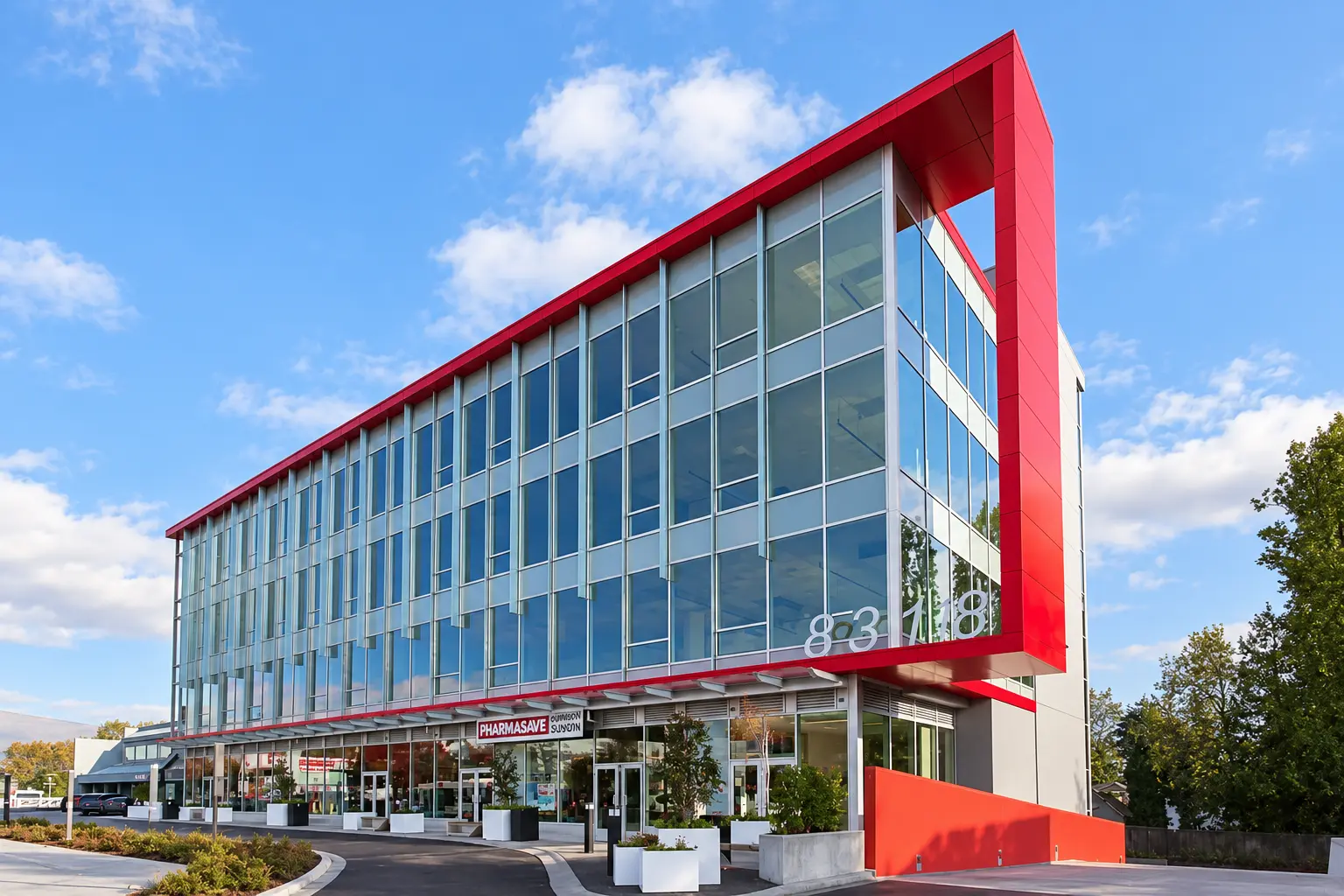
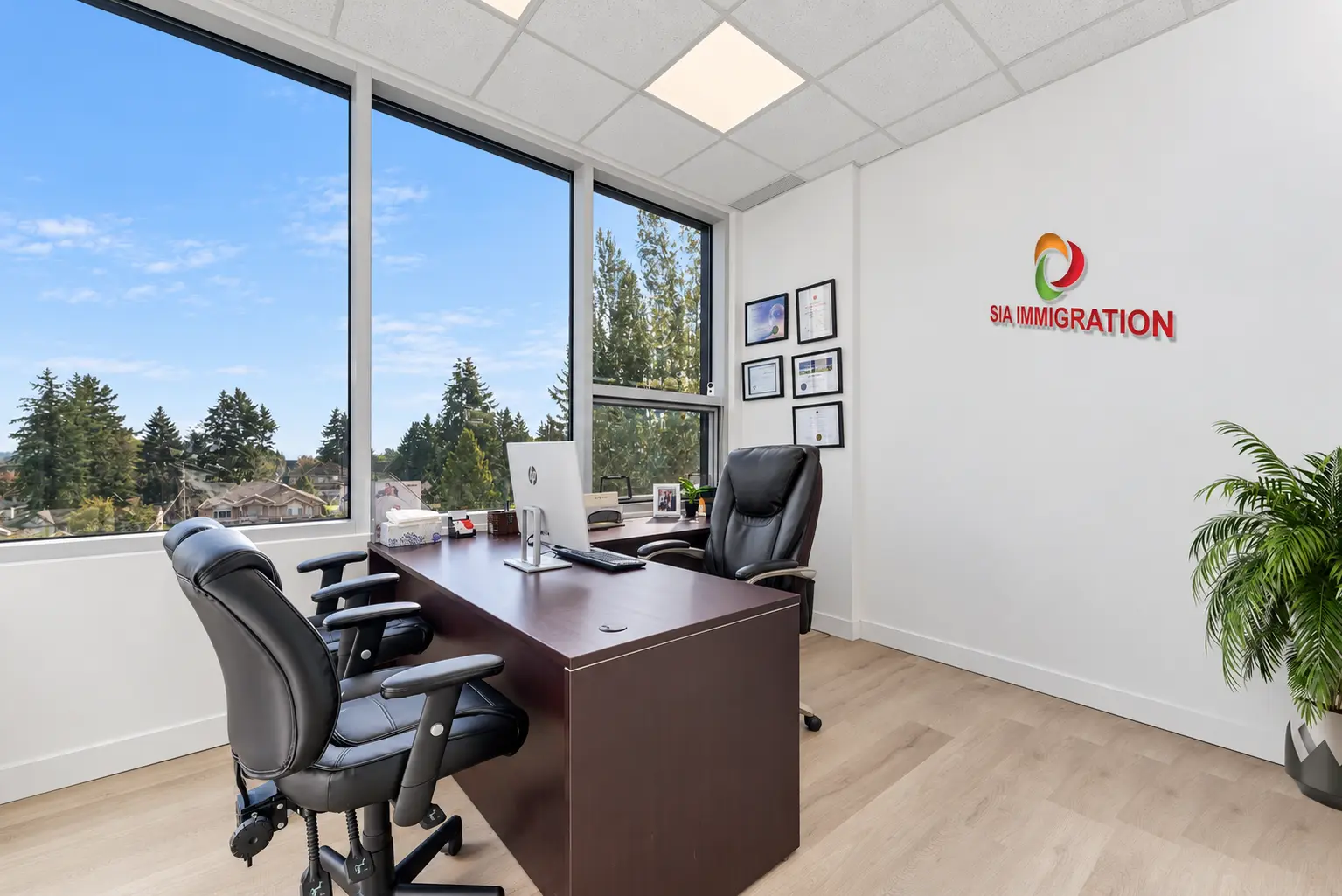
Meet our team in Surrey or Kamloops. Choose the office most convenient for you.