





If your Canadian work permit is approaching expiry, now is the time to understand your options, assess your eligibility and prepare your next step — before time becomes a limitation.
Don't wait until the last few weeks. Your options may depend on your occupation, employer, work experience, education, language ability, immigration history, family circumstances and eligibility for permanent residence or another temporary status.
Starting several months in advance gives you more time to assess eligibility, gather documents, speak with your employer, complete language testing and prepare the appropriate application.
Two applicants with the same work permit expiry date may have completely different immigration options.
Before applying, understand what may actually fit your profile.
Your appropriate pathway depends on your individual circumstances and eligibility.
If your employer is willing and able to support you, an LMIA-based work permit may be one possible option.
Where an LMIA is required, the employer generally needs to obtain a positive LMIA before the worker applies for the corresponding employer-specific work permit.
Not every position requires an LMIA. The employer should determine whether an LMIA is required or whether an applicable exemption exists.
Not every work permit requires an LMIA. Canada has several LMIA-exempt categories under the International Mobility Program.
Eligibility depends on the specific exemption category and the applicant's circumstances.
Examples include certain international agreements, intra-company transfers, significant-benefit situations, charitable or religious work, Francophone Mobility and other specific exemptions.
If you work or have a qualifying job offer outside Quebec and have French-language ability, the Francophone Mobility Program may be an option worth exploring.
Under the current rules, applicants generally need French speaking and listening ability equivalent to NCLC 5 or higher and an eligible job offer outside Quebec.
The employer must submit the offer through the Employer Portal using LMIA exemption code C16 and generally pay the $230 employer compliance fee.
Eligible workers can obtain an employer-specific work permit without an LMIA under this program.
In some circumstances, a person may not have an immediate pathway to another work permit but may want additional time in Canada while planning their next step.
A work permit holder may apply to change their temporary resident category from worker to visitor through a visitor record.
IRCC recommends applying at least 30 days before your current status expires.
If you apply to extend or change your work permit before your current permit expires, you may have maintained status while IRCC processes the application.
If you applied to extend your work permit, you may generally continue working while the application is processed, provided you remain in Canada and continue under the conditions of your original permit.
For an employer-specific permit, this generally means the same employer, job and work location.
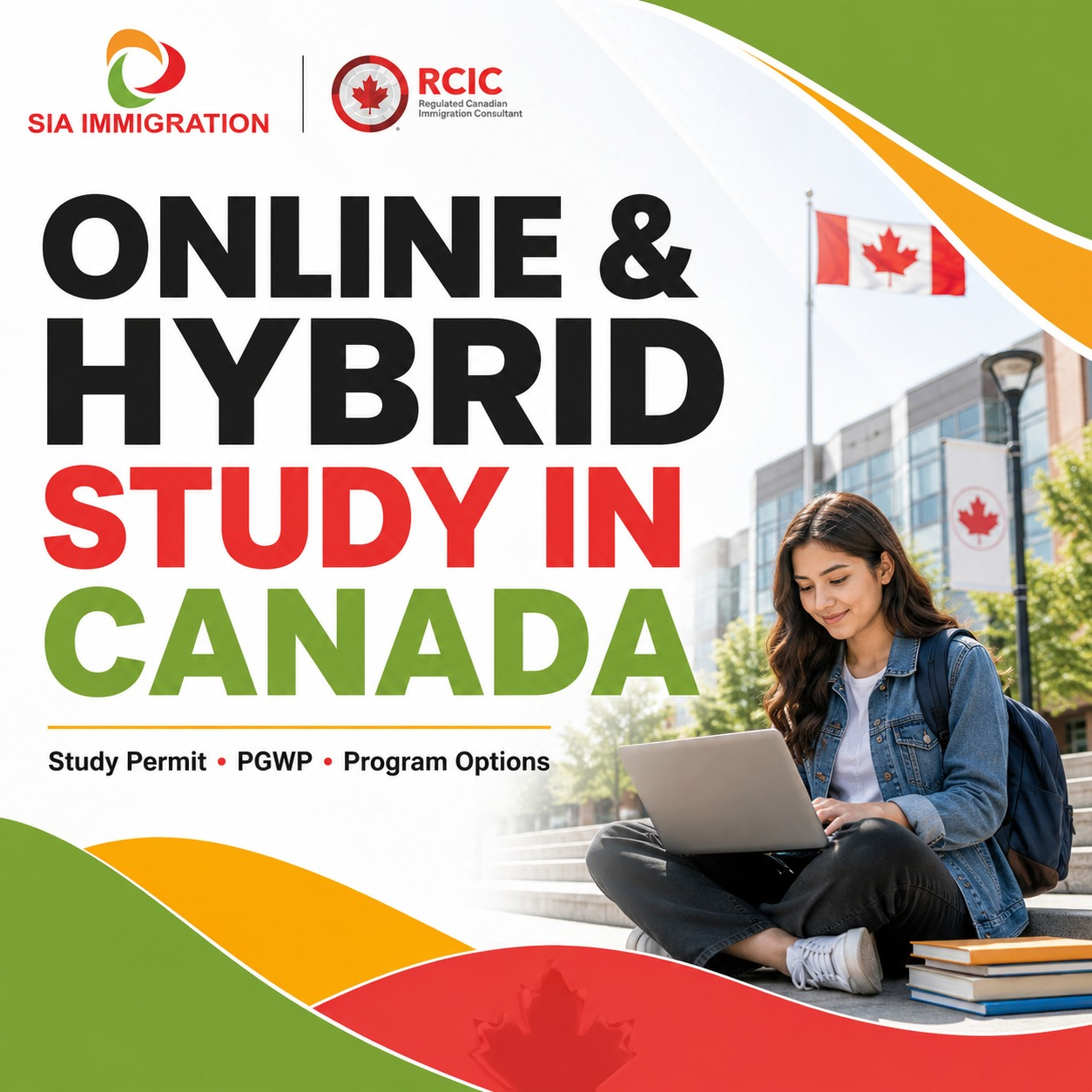
For some individuals, further education may be worth considering as part of a longer-term plan.
Education should not be selected simply as a way to remain in Canada. The program should make sense based on your academic background, career objectives, finances and immigration circumstances.
Depending on your circumstances, eligible post-secondary options may include bachelor's degrees, master's programs, doctoral programs, diplomas and other programs.
Different rules can apply once your authorization has expired.
If your work permit has expired and you did not apply to extend or change your status before it expired, you generally must stop working.
In certain circumstances, you may be able to apply to restore your status and obtain a new work permit. The general restoration period is 90 days after losing status, subject to the applicable rules.
A restoration application does not normally give you authorization to work while it is being processed. You generally need to wait until your status has been restored and your new work permit has been issued before resuming work.
Your work permit expiring does not, by itself, create eligibility for another work permit.
A new application should be based on a valid legal pathway and supported by the documents and evidence required for that pathway.
Before submitting an application, make sure you understand:
Three to six months can make a meaningful difference in your preparation time.
If your work permit expires within the next 3–6 months, this is a good time to start reviewing your options.
Two people with the same work permit expiry date can have completely different pathways depending on their profile.
There is no single immigration solution that works for everyone. The goal is to identify a realistic pathway early, understand the applicable requirements, prepare the necessary documents and submit the appropriate application within the required timeframe.
Understand your options before making your next move.
At Sia Immigration, we can assess your individual profile and help you understand the immigration options that may be available to you.
Depending on your circumstances, this may include exploring:
We also offer access to educational programs across British Columbia, Ontario, Alberta and the Atlantic provinces, with different program structures and tuition levels.
If further education is appropriate for your circumstances, we can help you explore programs that align with your academic background, career objectives and long-term plans.
Start reviewing your options early and understand which pathway may fit your individual circumstances.
Contact Sia Immigration to discuss your situation.
Meet our team in Surrey or Kamloops. Choose the office most convenient for you.