Canada Immigration News Blog

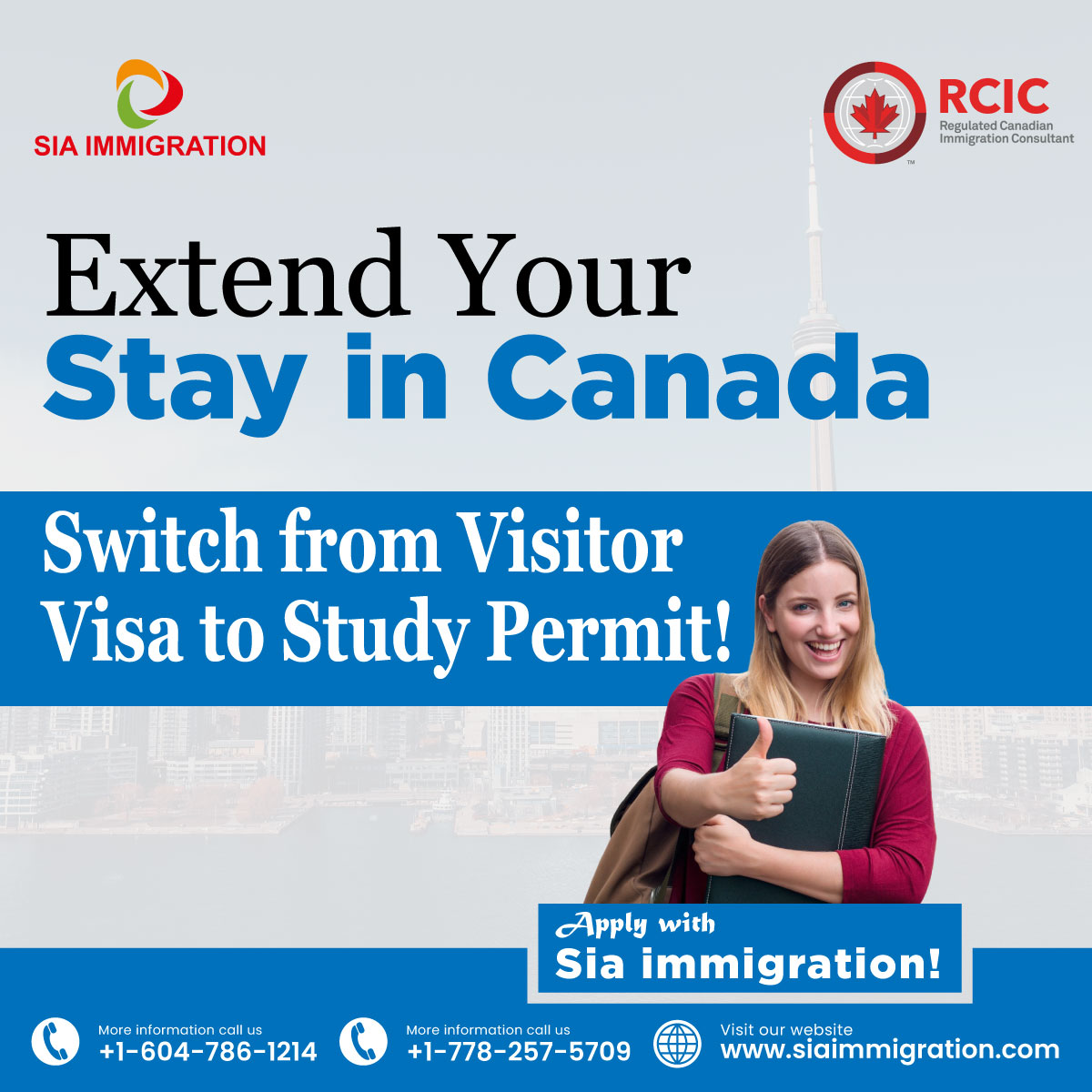
Canada Allows Eligible Work Permit Holders to Study Without a Study Permit
Canada Immigration Update

Canada Allows Eligible Work Permit Holders to Study Without a Study Permit

A new temporary public policy gives eligible foreign nationals holding valid Canadian work permits greater flexibility to pursue short-term education and skills training without obtaining a separate study permit.

Policy at a glance

More flexibility for workers who want to upgrade their skills.

Eligible work permit holders may study in a course or program lasting 6 months or less without a separate study permit, subject to the applicable requirements.

Study Duration 6 months or less
Required Status Valid Work Permit
Effective September 4, 2026
Policy Ends December 31, 2027
01 — The key change

What this policy means

01

Study Without a Study Permit

Eligible workers can pursue qualifying studies of 6 months or less without obtaining a separate study permit.

02

Use Your Existing Work Permit

The authorization to study is connected to the validity of the worker's existing work permit and the policy requirements.

03

Skills & Career Development

The measure can make it easier for workers to gain additional skills, credentials and training while remaining in Canada.

02 — Eligibility

Who may benefit?

The temporary public policy applies to eligible foreign nationals who hold a valid work permit. The study must also meet the applicable short-term study requirements.

Important: Having a work permit does not automatically make every course or program eligible. The duration and other applicable requirements should be reviewed before enrolling.

?

You hold a valid Canadian work permit.

?

The course or program is designed to be completed in 6 months or less.

?

You continue to meet the other applicable eligibility and admissibility requirements.

?

Your study plans remain consistent with the conditions and validity of your immigration status.

03 — Education options

What can workers study?

The policy is particularly relevant for workers who want to build additional skills or obtain short-term training while continuing their employment in Canada.

Potential benefits

  • Professional and technical skills training
  • Short-term career development programs
  • Additional credentials or qualifications
  • Training related to professional licensing
  • Education that supports progression into higher-skilled work

Important limitations

  • Programs longer than 6 months generally require a study permit
  • A work permit does not automatically authorize every type of study
  • Other immigration requirements may still apply
  • The policy does not create a permanent immigration pathway
  • The policy may be revoked before its stated expiry date
04 — Duration

How long can you study?

Under the current policy, eligible workers may study for up to 6 months without a study permit. The authorization cannot continue beyond the validity of the work permit.

Start with a valid work permit The worker must hold a valid Canadian work permit.
Choose qualifying short-term studies The course or program must be 6 months or less.
Study until the earlier limit Study authorization lasts until the work permit expires or the temporary policy expires or is revoked, whichever comes first.
05 — Long-term planning

Could studying help with your future in Canada?

Additional education and skills may support a worker's career development and, depending on the individual's circumstances, may contribute to future immigration planning.

Study opportunity ? automatic permanent residence

This temporary policy does not itself create a new permanent residence pathway or guarantee permanent residence. Anyone planning their education around a future immigration application should review the specific requirements of the immigration program they may qualify for.

06 — Work authorization

Can you continue working?

The ability to work comes from your existing work authorization, not from being treated as a student. If you hold a valid work permit, you must continue to follow all conditions attached to that permit.

If you plan to combine employment with studies, review your work permit conditions carefully and make sure your education plans do not conflict with your immigration status.

07 — Why it matters

A practical opportunity for workers in Canada

Canada's labour market continues to benefit from workers who can upgrade their qualifications and move into higher-skilled occupations. This policy provides eligible workers with greater flexibility to pursue short-term education without first obtaining a separate study permit.

For some workers, this can mean gaining targeted training, improving professional qualifications, preparing for licensing requirements or developing skills that support longer-term career goals.

08 — Before you enrol

What should you check first?

Plan before you pay.

A short-term program may appear eligible, but your individual immigration circumstances should always be considered before registering.

01 Confirm that your work permit is valid for the intended period.
02 Confirm that the course or program is 6 months or less.
03 Review the school's program details and completion requirements.
04 Consider how the studies fit with your current work authorization.
05 If your goal includes future immigration, review the relevant pathway separately.
09 — Frequently asked questions

Frequently Asked Questions

Can a work permit holder study without a study permit?

Eligible foreign nationals holding a valid work permit may study in a qualifying course or program lasting 6 months or less, subject to the applicable requirements.

How long can I study without a study permit?

The study must be 6 months or less. Your ability to study under this policy also cannot continue beyond the expiry of your work permit.

What if my program is longer than 6 months?

A program longer than 6 months generally requires a study permit. You should review the study permit requirements before enrolling.

Does this policy give me permanent residence?

No. The temporary policy does not itself create a permanent residence pathway or guarantee permanent residence.

When does the temporary policy expire?

The current temporary public policy is scheduled to expire on December 31, 2027. It may also be revoked earlier without prior notice.

Can I keep working while studying?

If you already hold valid work authorization, your ability to work continues to be governed by the conditions of your work permit. Studying without a study permit does not itself provide separate student work authorization.

Planning to Study While Working in Canada?

Your eligibility can depend on your work permit, the length and type of program, and your broader immigration circumstances. Get professional guidance before making an education or immigration decision.

Speak With SIA Immigration
Disclaimer: This article is provided for general information purposes only and does not constitute legal or immigration advice. Immigration policies and requirements can change. Applicants should verify the latest requirements with Immigration, Refugees and Citizenship Canada (IRCC) or seek advice from a qualified immigration professional before making decisions based on this information.
Online & Hybrid Study in Canada: What International Students Need to Know

Canada continues to attract international students who want quality education with flexibility in how and where they study. Online and hybrid programs can offer that flexibility, but the delivery format may affect study-permit planning, Post-Graduation Work Permit (PGWP) eligibility and other immigration considerations.

Choosing a program only because it offers online or hybrid classes is not enough. Review the school, specific program, delivery format, duration, location of in-person study and current immigration requirements before making a decision.

Important: The information below reflects IRCC rules available in September 2026. Eligibility depends on your dates, program and individual circumstances.

What Are Online and Hybrid Programs?

Online program

Delivered primarily or entirely through distance learning. It may offer flexibility, but it does not automatically create eligibility for a Canadian study permit or a PGWP.

Hybrid program

Combines online learning with in-person classes, labs, practical training or other required activities at a campus or another approved location.

In-person program

Primarily involves classroom study in Canada. In-person attendance alone does not make a program PGWP eligible; the institution and the specific program must meet all applicable requirements.

Online vs. Hybrid vs. In-Person Study

FormatImmigration consideration
OnlineA distance-learning program generally does not require a study permit. For PGWP purposes, online study from outside Canada after August 31, 2024 does not count toward PGWP length.
HybridUnder current distance-learning rules, at least 50% of the program generally must be completed in class within Canada. The applicable rule depends on the student's PGWP lock-in date.
In personIn-person attendance may satisfy the location requirement, but the program must still be offered by a PGWP-eligible DLI and meet all other rules.

How Online and Hybrid Study Can Affect PGWP Eligibility

PGWP eligibility is not automatic. IRCC considers general requirements, program requirements and where the student was physically located during study.

Lock-in date: September 1, 2024 or later
At least 50% of the program must be completed in class within Canada. Time studied outside Canada is deducted from PGWP length, and online study outside Canada after August 31, 2024 does not count.
Lock-in date: September 1, 2022 to August 31, 2024
At least 50% of the program must be completed within Canada, online or in class. Eligible online study outside Canada before August 31, 2024 may count if it represents less than 50% of the program.

How is the lock-in date determined? IRCC uses whichever came first: the date the student started the program or the date shown on the study-permit application receipt.

Other key PGWP requirements

  • Complete an eligible program at a PGWP-eligible DLI that is normally at least eight months long, or 900 hours for applicable Quebec programs.
  • Generally maintain full-time status during each semester, except that part-time study may be allowed in the final semester.
  • Apply within 180 days after receiving confirmation that the program was completed.
  • Confirm that the specific program—not only the institution—is PGWP eligible.
  • Students who complete more than 50% of their program through distance learning are generally not eligible, subject to applicable exceptions.
Do not rely on DLI status alone. Not every program offered by a DLI is PGWP eligible. Check the current status of the exact program before accepting an offer or paying tuition.

Do Field-of-Study Requirements Apply?

Bachelor's, master's and doctoral degrees: Under current rules, graduates of these degree programs do not have a PGWP field-of-study requirement.

Other university programs: If the study-permit application was submitted on or after November 1, 2024, an eligible field of study may be required.

College and non-university certificates or diplomas: If the study-permit application was submitted on or after November 1, 2024, the graduate generally must complete an eligible field of study.

CIP code matters: The program's six-digit Classification of Instructional Programs code can determine whether the requirement is met. Always confirm the current code and eligible-field list.

Choosing a Program in British Columbia, Alberta or Ontario

The best option is not necessarily the program with the highest percentage of online learning. Compare:

  • DLI and specific-program PGWP eligibility
  • Program duration, credential and delivery format
  • Location of required in-person study
  • Field of study and applicable CIP code
  • Tuition, admission and language requirements
  • Career opportunities after graduation

Healthcare, Education and Skilled Trades

Programs in healthcare, education and skilled trades can provide career-focused education, but no program guarantees immigration or permanent residence.

Healthcare: Consider the exact credential, program, licensing pathway and current immigration rules.

Education: Teaching, childcare and educational-support programs may suit students pursuing related careers.

Skilled trades: Practical programs may cover construction, automotive, electrical and other technical occupations.

Bachelor's and Master's Programs

University programs should be compared by institution, length, cost, admission and language requirements, delivery format, PGWP eligibility and long-term career goals.

Under current rules, bachelor's, master's and doctoral graduates generally must demonstrate at least CLB 7 in English or NCLC 7 in French in all four abilities for a PGWP, subject to transition rules. These degree graduates do not have a field-of-study requirement.

What About Students Already in Canada?

Before changing schools, programs or study arrangements, review your current status, study-permit conditions and whether additional immigration steps are required. A change made only for more online flexibility may affect future eligibility.

Study Permit Considerations

Most students who require a study permit need a letter of acceptance from a DLI. A provincial or territorial attestation letter is also required in many cases, subject to exemptions.

Graduate-degree exemption: From January 1, 2026, applicants to degree-granting master's or doctoral programs at public DLIs do not need a PAL/TAL. Quebec has separate provincial requirements.

A study-permit decision also considers financial capacity, admissibility and whether the applicant meets all requirements—not only whether an admission offer was issued.

Can Your Spouse or Partner Get an Open Work Permit?

Eligibility is not automatic because a student is enrolled in an online or hybrid program. Under current rules, a spouse or common-law partner may qualify when the student holds a valid study permit and is enrolled in an eligible category, such as:

  • A master's degree program lasting 16 months or longer
  • A doctoral degree program
  • An IRCC-specified eligible program
  • Certain professional university degree programs

The institution, program, student status and current IRCC rules must be considered together.

Questions to Ask Before You Enrol

  1. Does the program match my previous education and career goals?
  2. Is the institution a DLI and is this exact program PGWP eligible?
  3. How much is online and how much must be completed in Canada?
  4. Does a field-of-study requirement apply to me?
  5. Does the program fit my finances and long-term plans?

How SIA Immigration Can Help

Our team can review your education, career goals, proposed program, delivery format, study-permit requirements, PGWP considerations, field-of-study rules, family work-permit considerations and supporting documents.

Every case is different. The right study pathway should be assessed using your education, timing, immigration status, finances and long-term goals together.

Plan Your Canadian Study Journey Carefully

Need help reviewing a Canadian program and its immigration considerations?

Book an Appointment

Official Government of Canada Resources

Disclaimer: Immigration rules and eligibility requirements can change. This article is for general information only and is not legal or immigration advice. Review current Government of Canada information or obtain professional advice before making a decision.

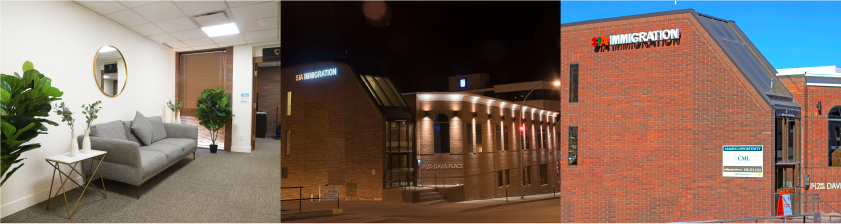
Our Offices

office

Surrey Office

#304 8318 120 Street, Surrey
BC, V3W3N4, Canada
office

Kamloops Office

246 2 Ave #301, Kamloops
BC, V2C 2C9, Canada
Sia Immigration Logo RCIC
(English, Punjabi, Hindi, Gujarati) Manpreet Joshi online (English, Punjabi, Hindi, Gujarati) Munish Joshi online
Facebook
Youtube
LinkedIn
Instagram
mkj@siaimmigration.com
Book an appointment